



The concept of monopoly plays a significant role in the realm of economics, both theoretically and in real-world applications. In essence, a monopoly exists when a specific individual or enterprise is the only supplier of a particular good or service. This control over a market grants the monopolist the power to set prices and influence market conditions. Throughout history, the existence of monopolies has sparked debates and legislation aimed at balancing economic power and protecting consumer interests.
A monopoly is characterized by several distinct elements. First and foremost, a monopolist has substantial control over the market. This control often stems from owning critical resources, government regulation, or technological advantages that prevent competition. Secondly, monopolies often exhibit a lack of competition which gives them the power to influence price levels significantly. Another defining feature is the presence of barriers to entry, which prevent new competitors from entering the market easily.
An essential aspect of being a monopolist is the ability to act as a price maker rather than a price taker. In a competitive market, firms are typically price takers, meaning they must accept the market price set by the forces of supply and demand. Conversely, a monopolist can dictate prices due to the absence of competitors, thus significantly influencing product availability and consumer accessibility.
Monopolies have profound implications for both markets and consumers. While they can result in higher prices and limited consumer choices, monopolies can also drive innovation and efficiencies due to the scale and resources available to them. Understanding these impacts requires delving into both the positive and negative aspects of monopolistic markets.
One of the most noteworthy advantages of a monopoly is the ability to invest in research and development. With substantial profits and controlled markets, monopolistic companies can allocate resources towards innovating products and improving services. This investment often leads to technological advancements and improvements that can benefit society.
However, the drawbacks of monopolies are substantial. The lack of competition often results in reduced market efficiency. Consumers may face higher prices and lower quality products since the monopolist has little incentive to improve offerings without the pressure of competitors. Additionally, monopolies can lead to economic inequalities, concentrating wealth and market power in the hands of a few.
While the concept of monopoly has existed for centuries, the emergence of digital markets and platforms is reshaping how monopolistic dynamics play out. For instance, companies operating within the digital betting industry, such as mgBet, illustrate the modern complexities of this economic phenomenon. These platforms leverage technology and market data to consolidate market positions, often creating formidable barriers for new entrants.
mgBet's strategy involves utilizing data analytics, user-friendly platforms, and exclusive betting options to build a loyal consumer base. How these strategies intersect with traditional notions of monopoly offers insights into the evolving nature of market control and consumer interaction. Furthermore, the global reach of digital companies complicates regulatory responses, as jurisdictional boundaries blur in the digital age.
The existence and influence of monopolies have historically prompted varying regulatory responses aimed at safeguarding the competitive nature of markets. Antitrust laws, designed to prevent anti-competitive behavior, are the traditional methods for addressing monopolistic practices. However, the modern landscape requires adaptive strategies to keep pace with rapid technological changes and multinational enterprise operations.
Striking a balance between regulation and innovation presents a significant challenge for policymakers. Overly stringent regulations can stifle innovation and the economic benefits of large-scale investments. Conversely, insufficient regulation might permit monopolistic practices that harm consumers and stifle market dynamism. The ideal regulatory approach involves fostering competition while allowing for the kind of growth and innovation seen in firms like mgBet.
As technology advances, the traditional barriers that defined monopolies are changing. Digital platforms have created new forms of competition and collaboration, challenging existing regulatory frameworks designed for more conventional market structures. The future of monopoly will likely involve continuous adaptation, both in terms of market practice and regulatory oversight.
Companies like mgBet illustrate the evolving dynamics of market leadership and the innovative strategies employed to maintain it. Exploring these changes is crucial for understanding the broader economic landscape and the balance between competition and control in digital markets.

Immerse yourself in the captivating world of EgyptsGlow, where ancient mysteries and modern gaming collide. Explore the game mechanics, introduction, and rules in this comprehensive guide.

Dive into the excitement of 3ChargeBuffalo, an engaging online game by mgBet that offers exhilarating challenges and endless entertainment.

Discover the captivating world of SafariKing, an adventure-themed online game featured on MGBet. Learn about the game's description, rules, and how it has captivated a global audience.
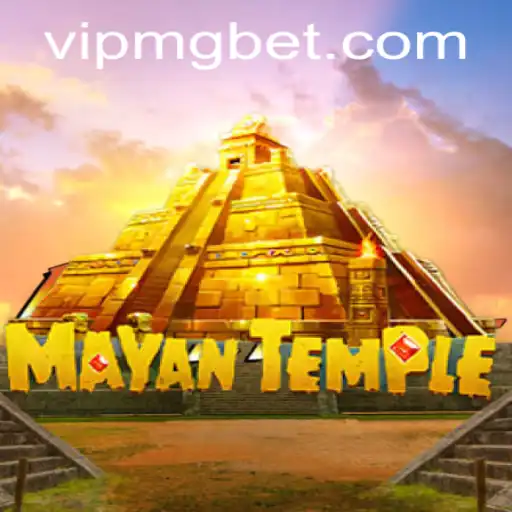
Dive into the thrilling world of MayanTemple, a captivating game that merges ancient Mayan lore with modern gameplay excitement. Explore intricate rules and an immersive storyline.

Discover the captivating world of StempedeRushWicked, an exhilarating game that combines strategy and quick reflexes, perfectly reflecting the dynamic gaming landscape, with the keyword mgbet embodying a thrilling and strategic player experience.

Explore the enchanting world of SkyLanterns, a captivating board game that combines strategy, creativity, and a touch of magic. Learn about its unique gameplay, rules, and how it connects to current trends in gaming.
